Elena Mauri

E-commerce for an Office Supplies Retailer

I defined the information architecture for a national retailer moving from PIM to Shopify: about 20,000 physical products and a separate B2B software catalog, on one platform. The same site had to work for a student buying notebooks, an HR manager sourcing furniture, and an accountant shopping for invoicing software.

Two product types, one catalog

The brand sold two different things through the same shop. Physical products — stationery, furniture, printer supplies — are browsed by category. Software — accounting, invoicing, HR, inventory — is browsed by need and function. Forcing both into one navigation without one swallowing the other was the core IA problem.

The same catalog also had to hold three audiences with little in common: different intents, vocabularies, and ways of deciding. And the data arriving from PIM was thin and inconsistent. Any template had to hold up even when the product record did not.
Built around search, not SKUs

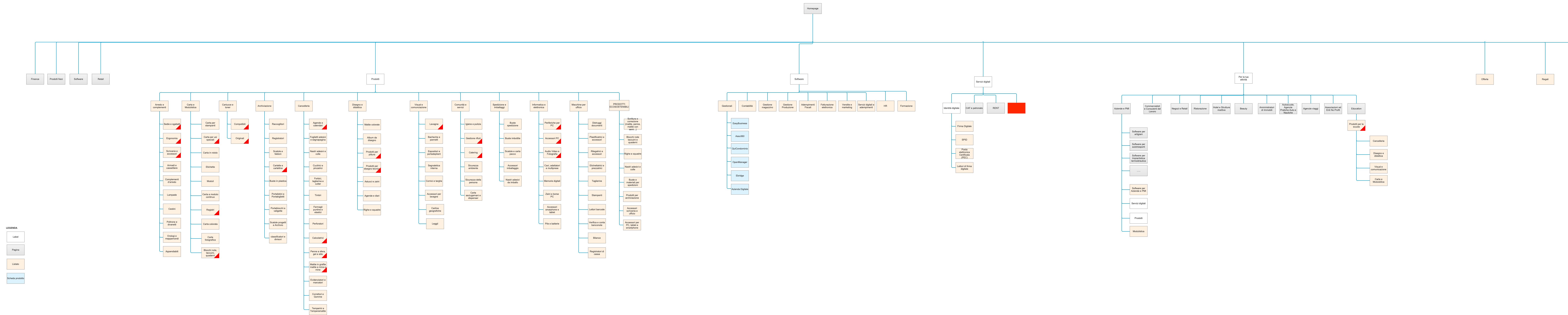
Rather than inherit the existing PIM tree, I rebuilt the taxonomy around how customers actually look for things — not how the backend grouped stock. The map below is that structure: physical catalog, machines, digital services, and business solutions in one tree.

Taxonomy map spanning physical products, machines, digital services, and business solutions

Need and category, intersecting

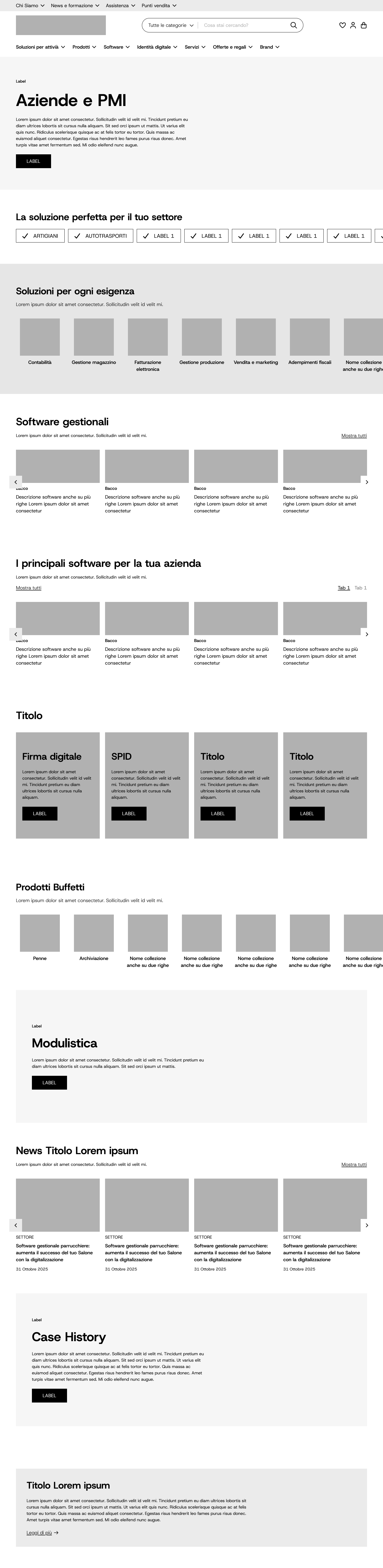
To bridge “browse by need” and “browse by category,” I designed sector hubs. A Businesses & SMEs hub, for example, surfaces the relevant software (accounting, HR) and the relevant physical products (furniture, supplies) in one place. Which hubs to build, and what sat in each, came from sales and traffic data, not from an assumed org chart.

The two logics were not separate systems. Inside a hub, users can still filter by product category, so need-based and category-based browsing reinforce each other instead of competing.

Businesses and SMEs hub combining software, digital services, and physical product categories

Two product pages, not one

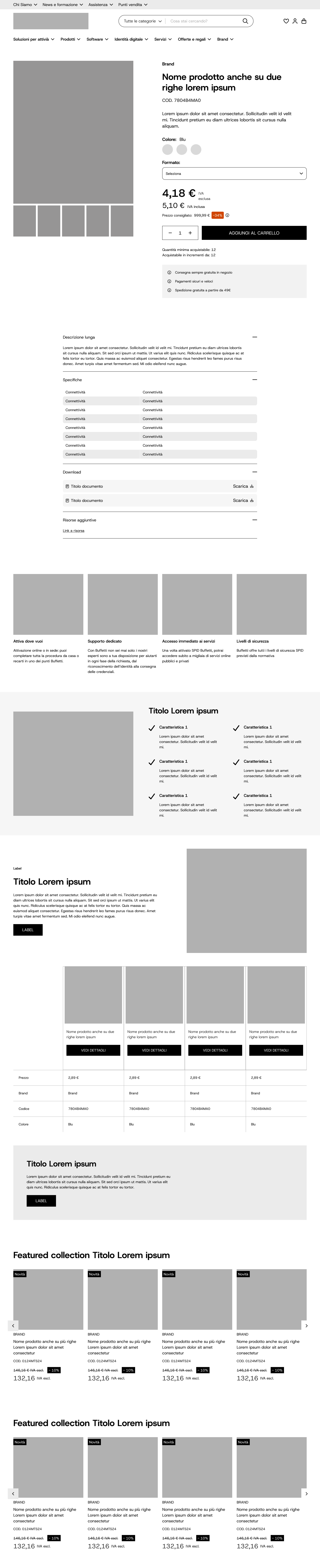
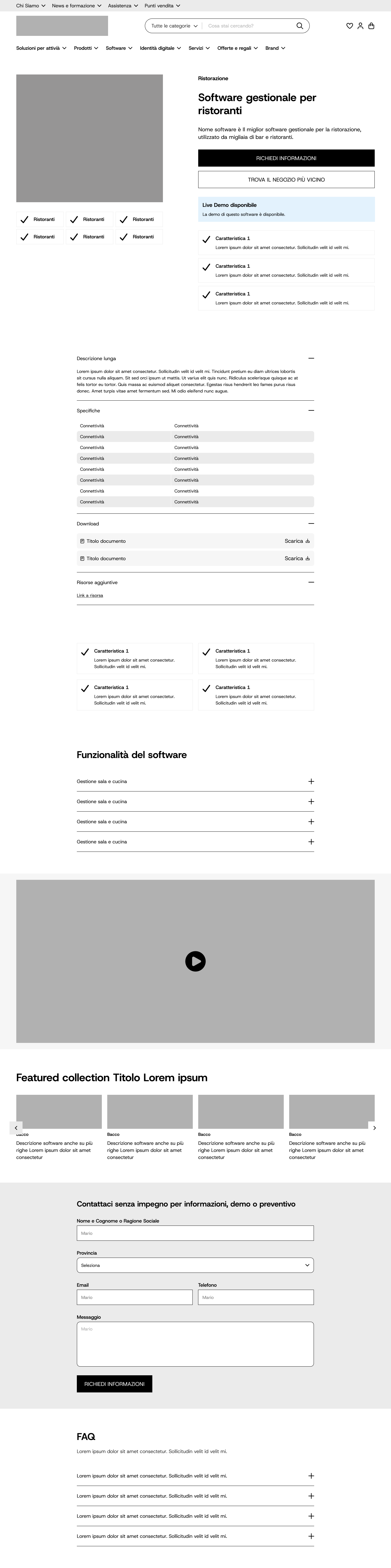
A physical item has a price and add to cart. Software is typically quote- or contact-based, with no listed price. I designed two distinct product page templates, each around how that type is actually evaluated and bought — and built them to stay usable when fields were missing, rather than waiting on a data cleanup that was not going to land in time.

Physical product page with price and add to cart Software product page with quote request and no listed price

My Role & Deliverables

  • Information architecture: full taxonomy across ~20,000 physical SKUs and the software catalog.
  • Data-informed structure: sales and traffic data to decide hubs and their contents.
  • Template design: two product pages for two purchase logics.
  • Imperfect data: templates that degrade gracefully through the PIM-to-Shopify migration.

A live taxonomy the backend did not dictate

The site is live. Performance metrics are not available yet.

  • Two structurally different catalogs sit in one navigable architecture.
  • The taxonomy shipped from customer search and demand data, not from the inherited PIM tree.
  • Physical goods and software each got a product page that matches how they are bought — including when the record is sparse.
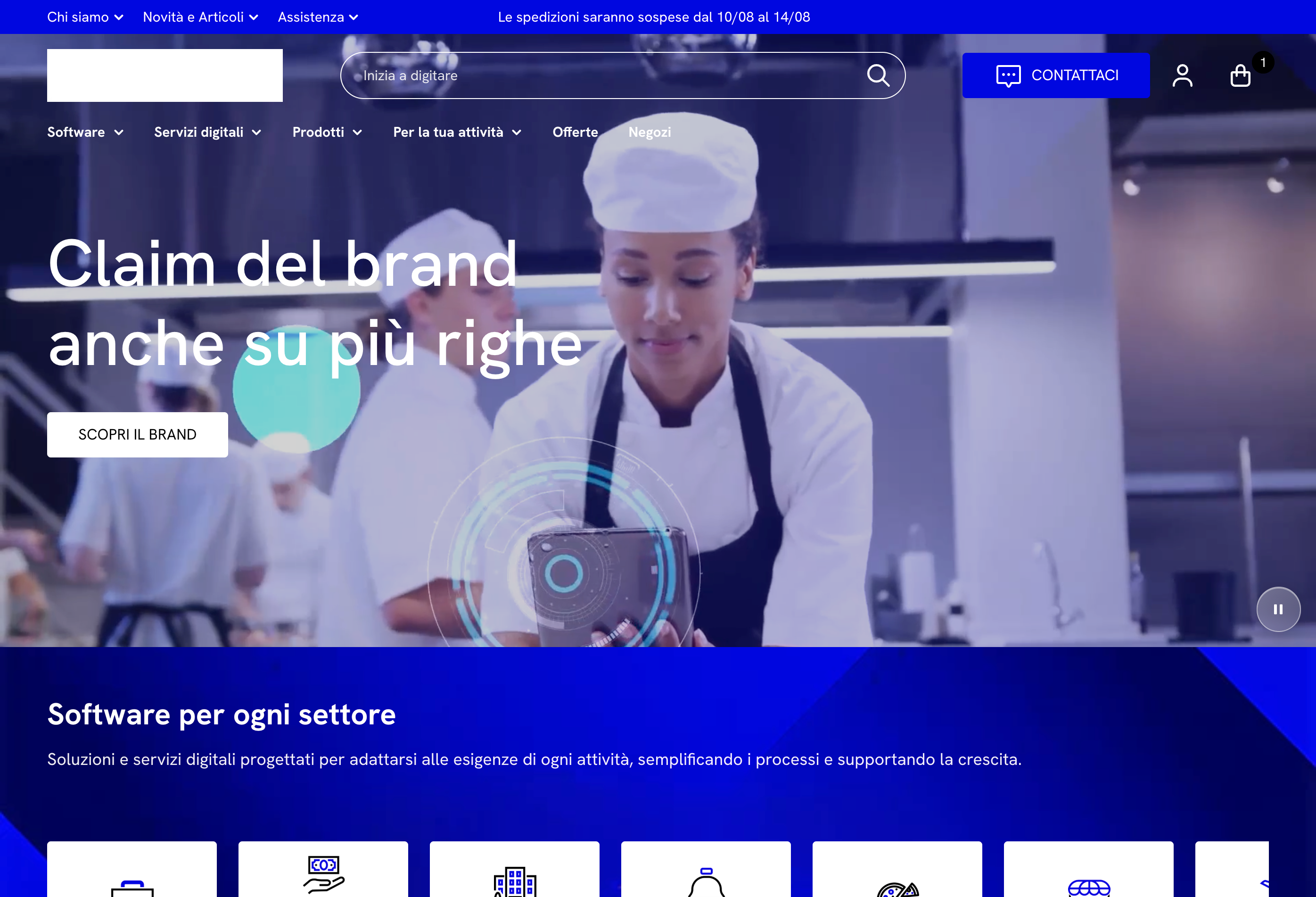
Anonymized homepage of the office supplies and software platform
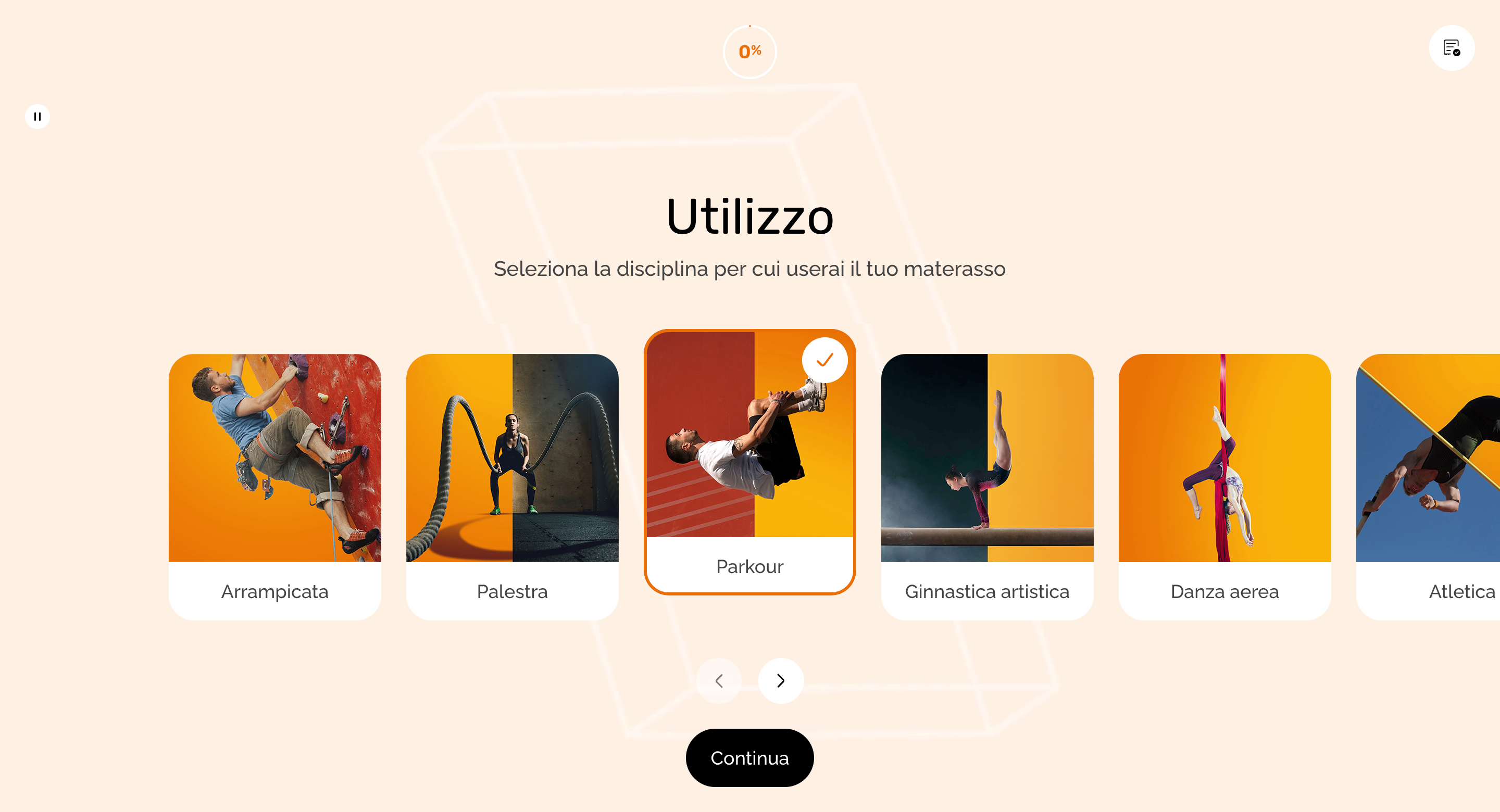
Interactive Mattress Configurator