Personalization inside a regulated product
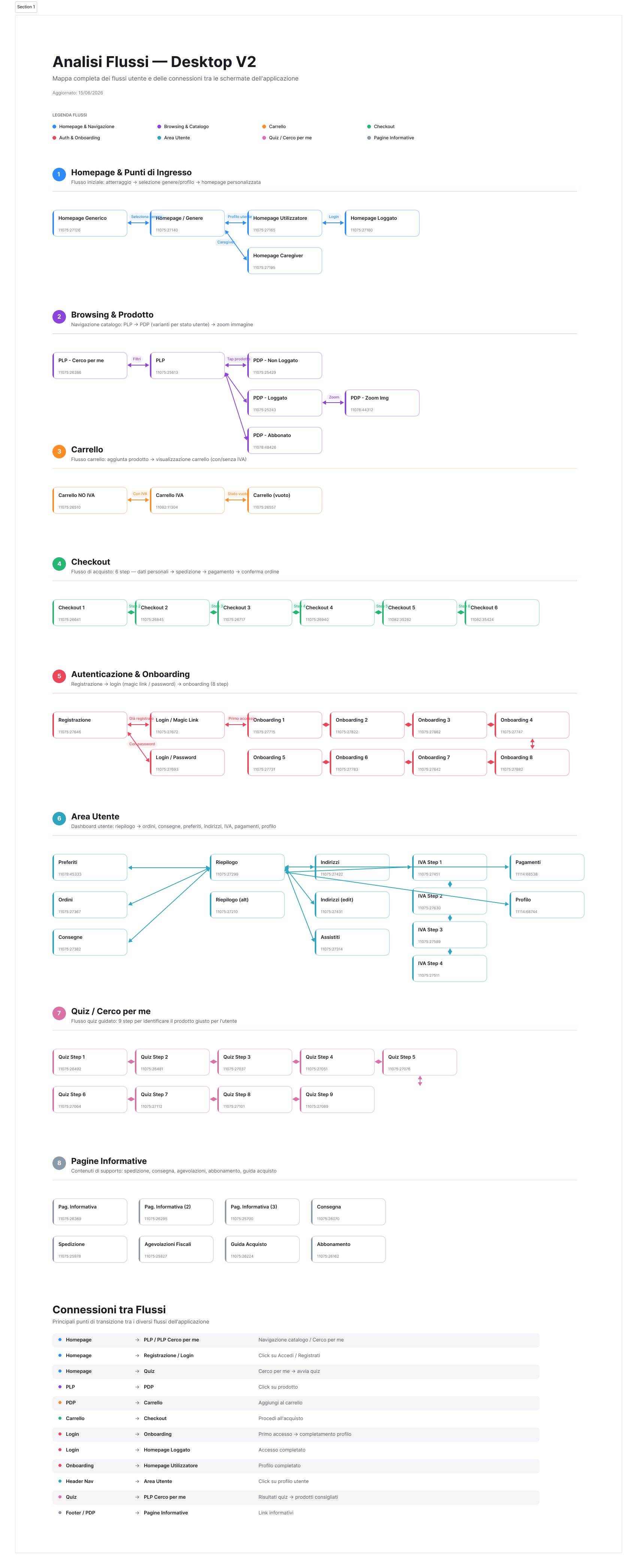
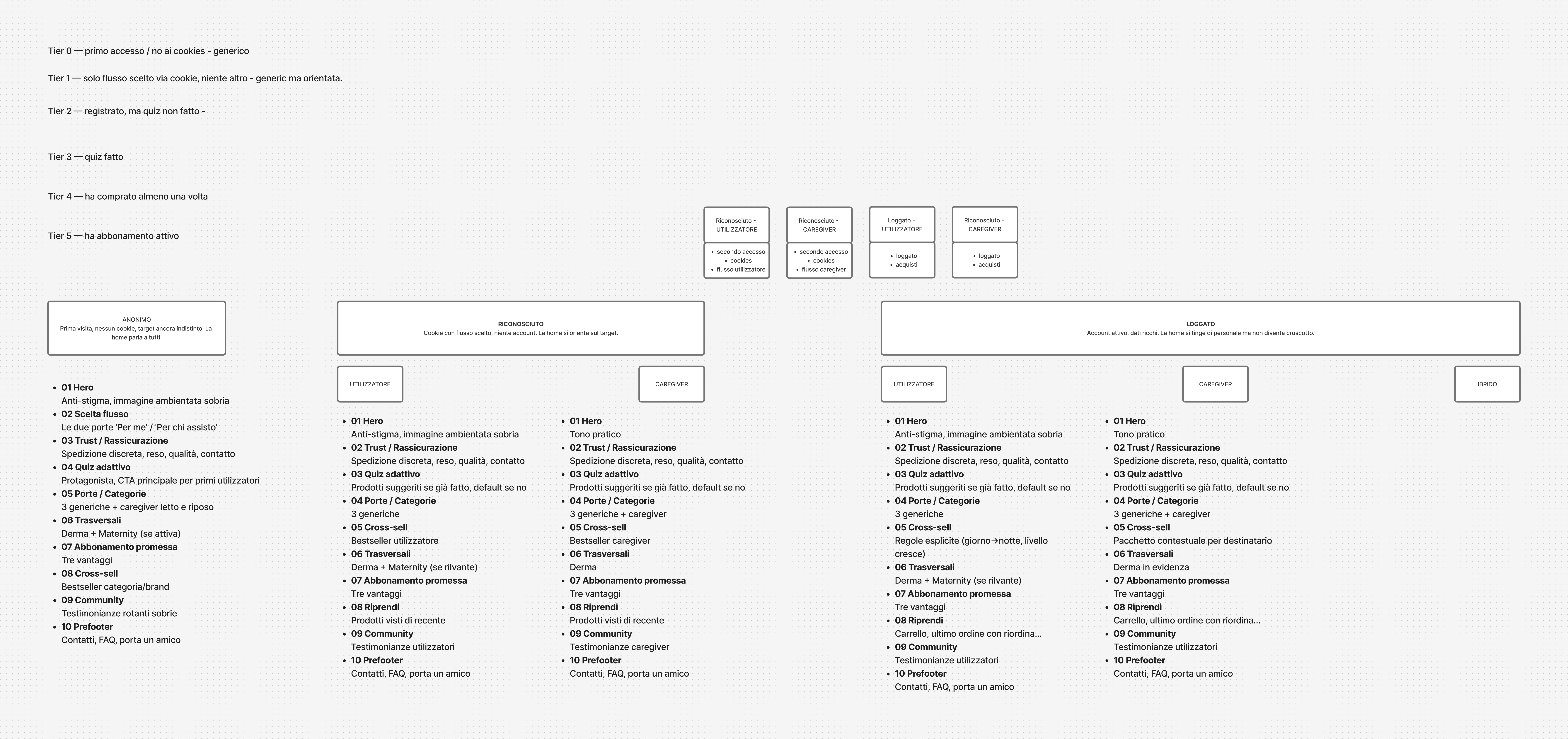
The brand needed a platform that could stay relevant on two independent axes: who is on the site — the person who uses the product, or the caregiver who buys it — and where they are in the relationship, from a first visit to a reorder. Because the products are certified medical devices, every claim, personalization, and use of data had to satisfy ministerial approval and stricter privacy rules than a typical e-commerce project.
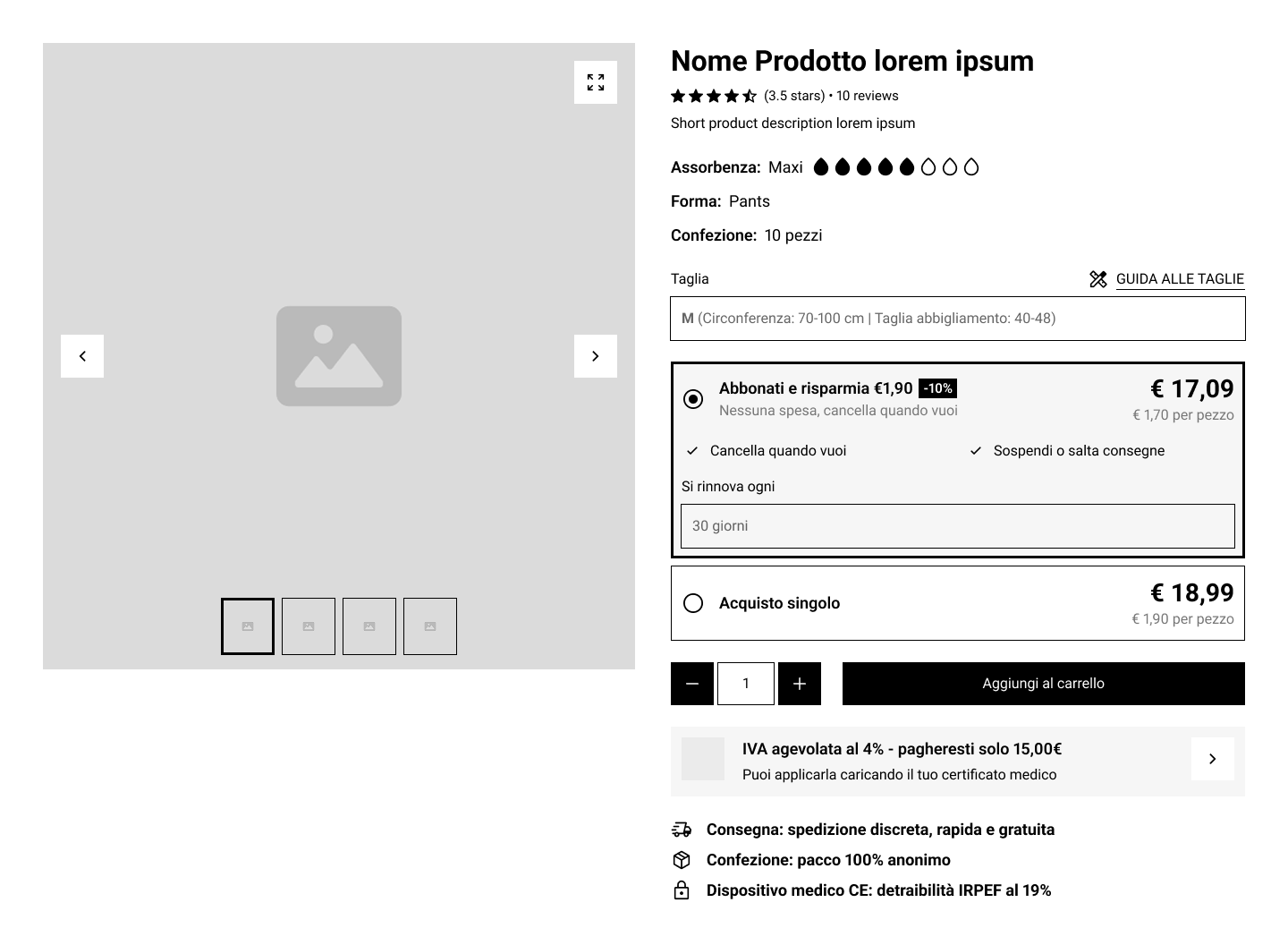
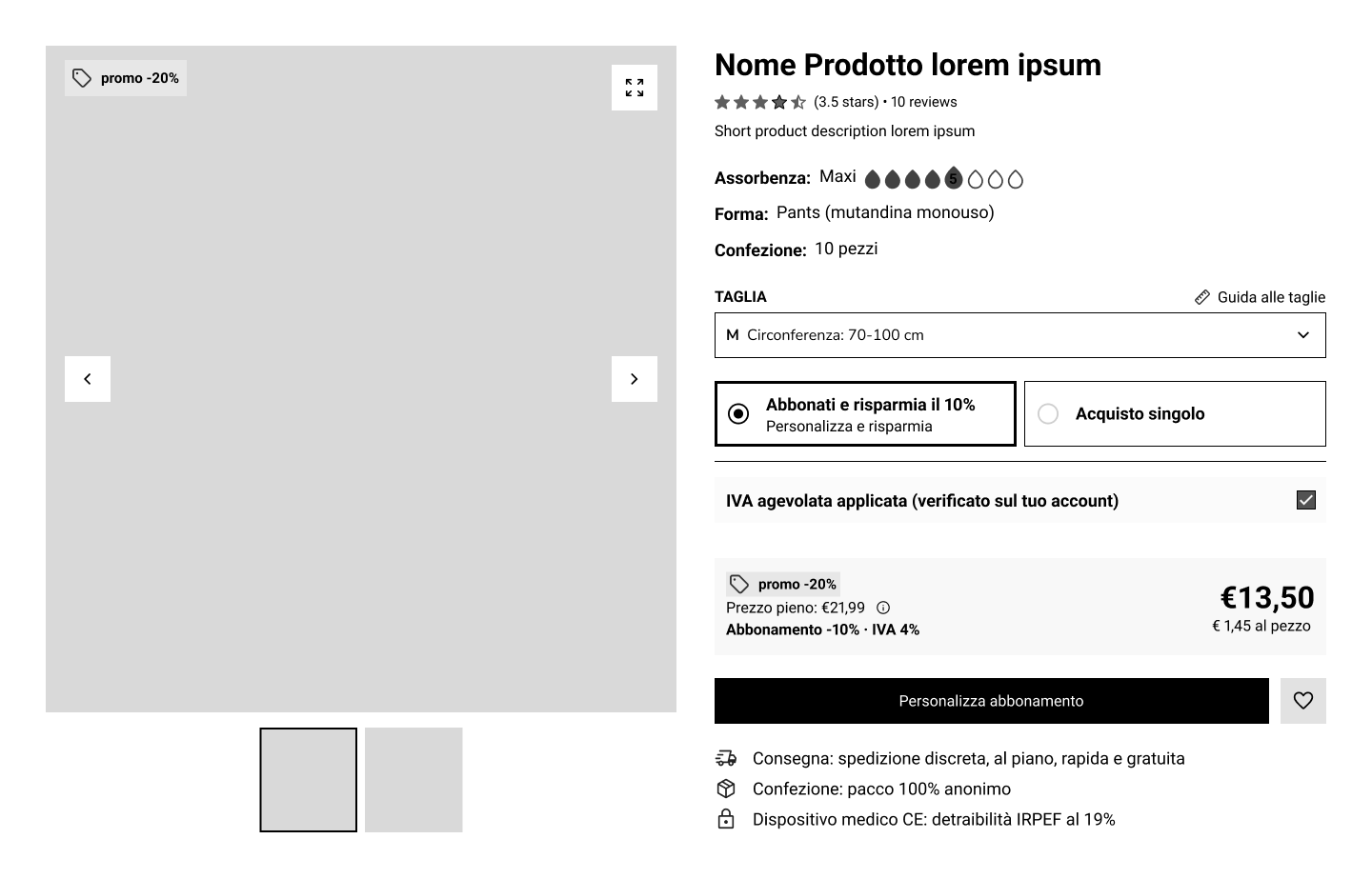
The catalog added a third constraint. Price was not a single number: it changed for subscription versus one-off purchase, dropped to a reduced VAT rate when a medical certificate was on file, and could stack with promotions. Any interface that showed these as separate, visible prices risked confusing the customer — or misleading them.